

August 2026 Meeting Recap
AUGUST 27, 2026
Building Automation Systems: Insights from Phillip Cockerham
On August 27, the Tulsa Chapter welcomed Phillip Cockerham, Mountain/Plains Regional Sales Manager for Automated Logic Corporation, as its guest speaker. Phillip was introduced by frequent chapter attendee Claire Farr of ES2. Drawing from his extensive background in facility management, Phillip shared how his career evolved into the world of building management systems, ultimately leading him to Automated Logic, a company owned by Carrier.
Phillip’s presentation focused on helping facility professionals evaluate and select the right building automation system (BAS) for their organizations. He encouraged attendees to begin by considering the daily challenges they face in managing HVAC operations, regardless of the size of their facilities. Questions such as the amount of time spent scheduling and monitoring equipment, the potential savings achievable through predictive maintenance, and the ability to respond quickly to occupant comfort concerns should all play a role in the decision-making process.
He emphasized that energy efficiency should be a standard feature of any modern BAS, but organizations should also evaluate the broader operational benefits. Remote accessibility, for example, can significantly improve response times by allowing facility teams to monitor and adjust building systems from virtually anywhere. Additionally, a well-designed automation system can help operators identify developing issues before occupants ever need to submit a complaint.
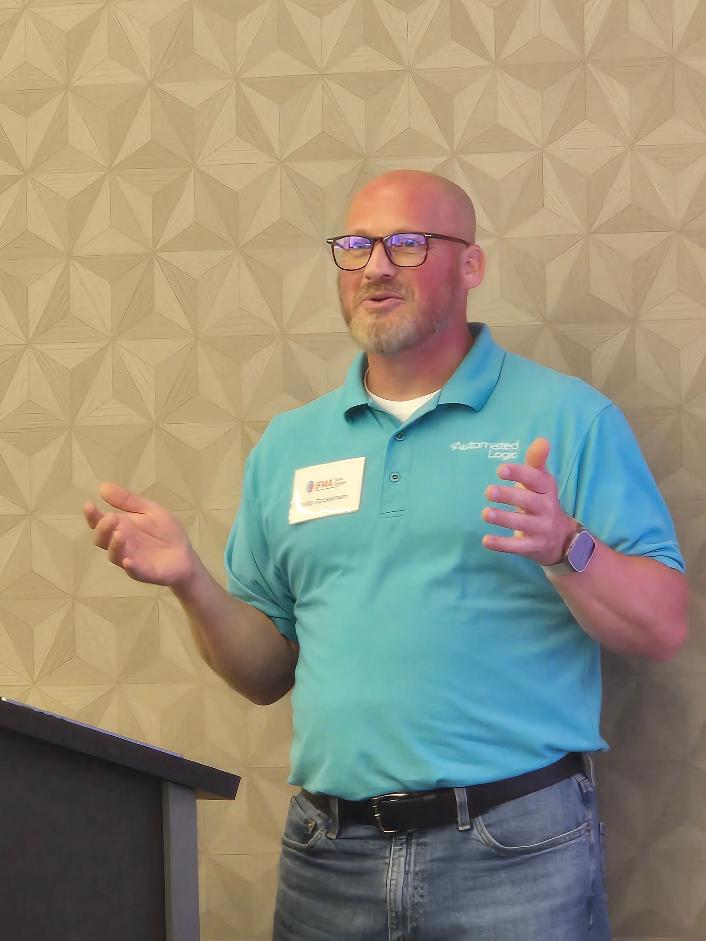
When discussing the characteristics of a strong building automation system, Phillip highlighted several key considerations. He recommended solutions that are fully web-based and built upon BACnet, the HVAC industry’s standard communication protocol. He also stressed the importance of a straightforward licensing structure that allows unlimited concurrent users, functional tools that provide real operational value, and software that is easy to understand without requiring extensive technical expertise.
Training and support were additional factors Phillip encouraged attendees to evaluate. Facility teams should have convenient access to training without facing excessive costs or long scheduling delays. He also noted the importance of interoperability, explaining that a quality BAS should integrate with existing automation systems and consolidate information into a single, user-friendly dashboard. Backward compatibility is equally important, allowing organizations to connect with and manage older systems while planning for future upgrades.
Long-term sustainability was another topic of discussion. Phillip urged attendees to consider how long a software platform has been in the market, what its upgrade path looks like, and whether it will continue to be supported as technology evolves.
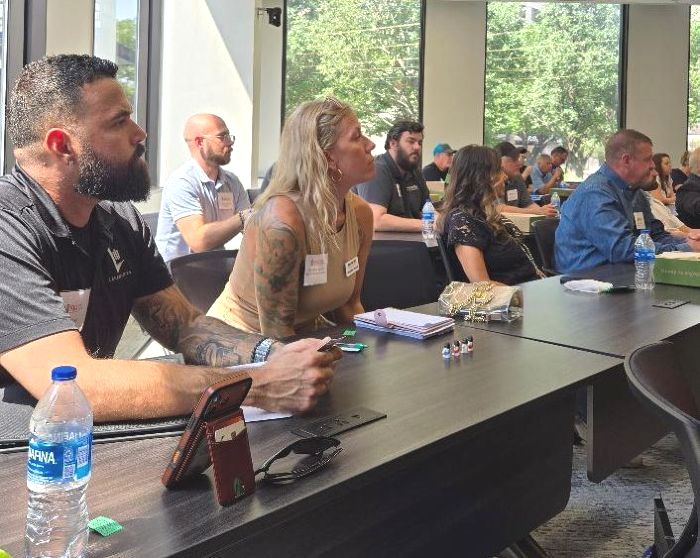
During the presentation, Phillip shared how Automated Logic addresses many of these considerations. The company has been operating for more than 25 years, provides unlimited licensing, offers training as needed, and maintains ongoing support through software updates. Built on a BACnet architecture, the system provides users with graphical floorplan views that allow them to monitor and manage multiple buildings across a campus environment from a centralized platform.
To conclude the session, Claire Farr shared findings from a study examining the relationship between indoor air quality and employee productivity. Her remarks reinforced an important takeaway from the presentation: effective HVAC and building management strategies deliver benefits that extend beyond energy savings and operational efficiency. By creating healthier and more comfortable indoor environments, organizations can also positively impact employee performance and overall workplace well-being.
August Meeting Presentation
View Phillip Cockerham's Building Automation presentation from the August IFMA Tulsa meeting.